Designing the interior of a mountain home in Vail presents both exciting opportunities and unique challenges. You’re balancing natural materials, altitude effects, shifting seasons, and the desire for a space that is both soulful and functional. Below are expert tips and strategic ideas to guide you toward an interior that feels at home in the mountains, serves your lifestyle, and stands the test of time.
Begin with Place, Not Trend
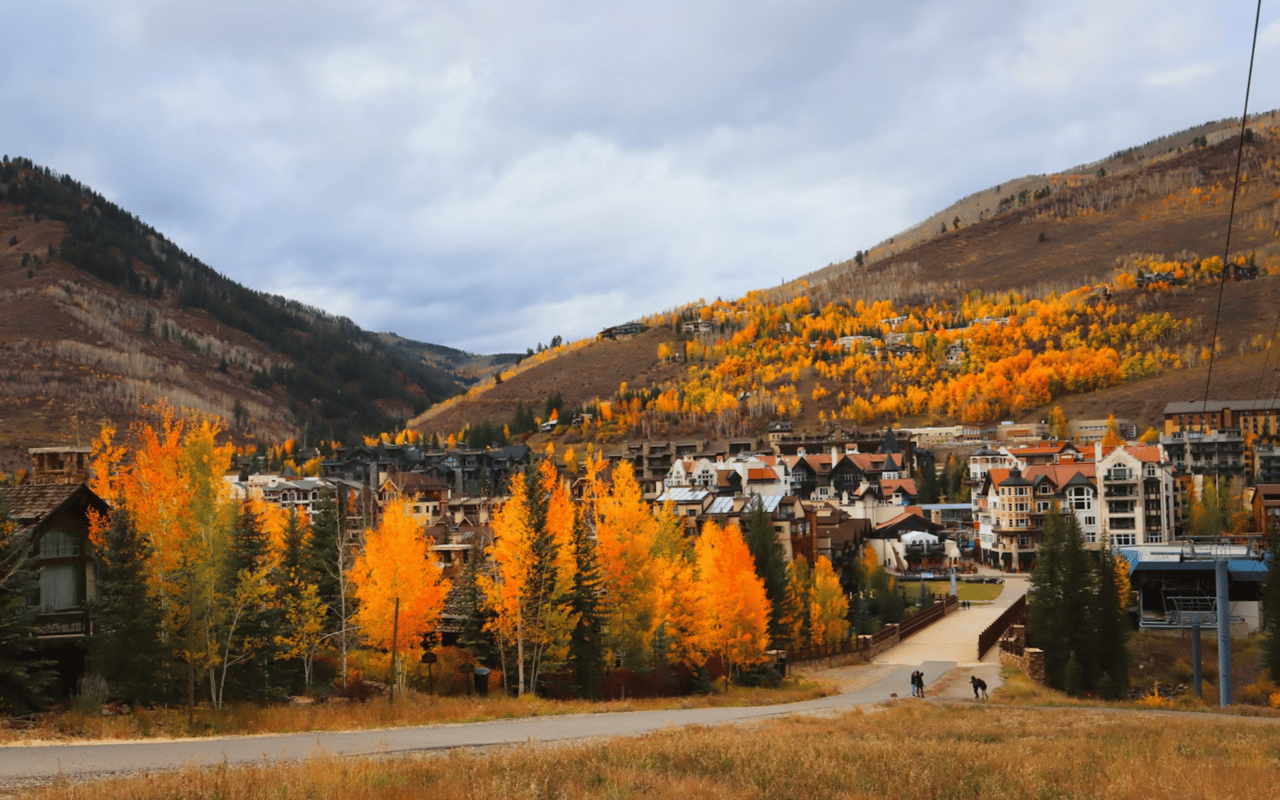
One of the core principles of designing in Vail is to let the landscape, climate, and alpine aesthetic guide your decisions. Rather than chasing fleeting trends, aim for interiors that respond to:
-
Natural light and the dramatic shifts it brings throughout the day
-
Texture, warmth, and tactility to soften cold mountain air
-
Views, sightlines, and the desire to blur indoor and outdoor boundaries
-
Materials and finishes that perform in high altitude and seasonal extremes
Designers in the Vail Valley often speak of “mountain modern” as a balanced evolution of classic alpine style—lighter woods, more open spaces, less heavy ornamentation, and a sensitivity to the natural surroundings.
Foundations: Layout, Flow & Light
Before selecting furnishings or decor, work from the bones of your house—the floor plan, circulation, and lighting.
Space Planning Is Key
-
Think through how people move from entry to main rooms, to outdoor areas, to service zones like mudroom, storage, and laundry.
-
Avoid overly compartmentalized layouts. Open or semi-open plans enhance light and views.
-
Incorporate flexible or multipurpose rooms—an office that doubles as guest space, for example.
Maximize Natural Light
-
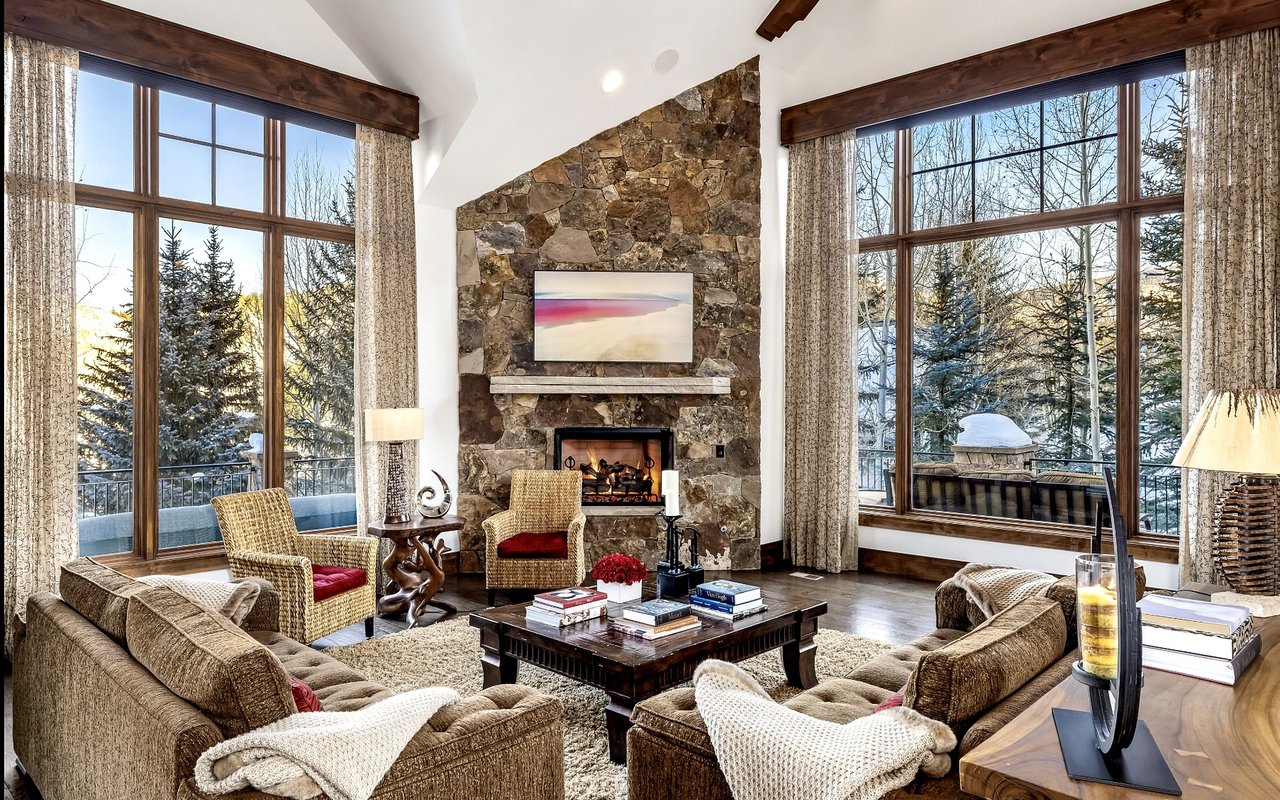
Choose window layouts and glass expanses that frame mountain vistas without overexposing interiors to glare or heat.
-
Use lighter window treatments such as sheer panels, linen shades, or motorized blinds to balance sunlight and privacy.
-
Add mirrors or reflective surfaces thoughtfully to bounce light deeper into rooms.
Layered Lighting
Ambient light alone isn’t enough in mountain homes, where light fades early in winter. Layer your lighting with:
-
Recessed ceiling lighting
-
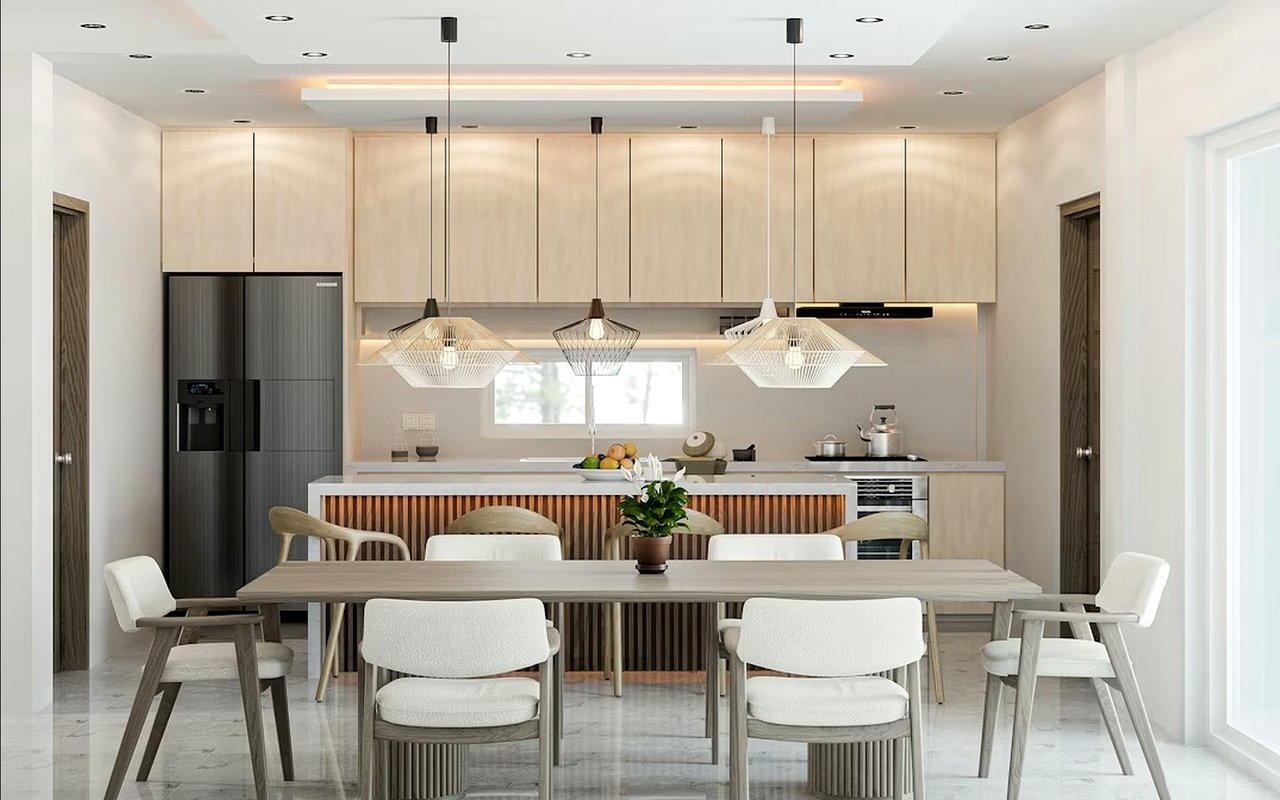
Cove or indirect lighting on ceilings or beams
-
Task lighting in reading corners, kitchen counters, and bath vanities
-
Accent lighting for art, architectural features, or display niches
Material Palette: Durable, Warm & Earthy
You’ll want materials that age gracefully and echo the mountain environment, with durability to withstand temperature swings and dry air.
Wood, Stone & Natural Textures
-
Use wood, especially lighter or warm-toned species, in floors, ceilings, beams, or wall accent treatments.
-
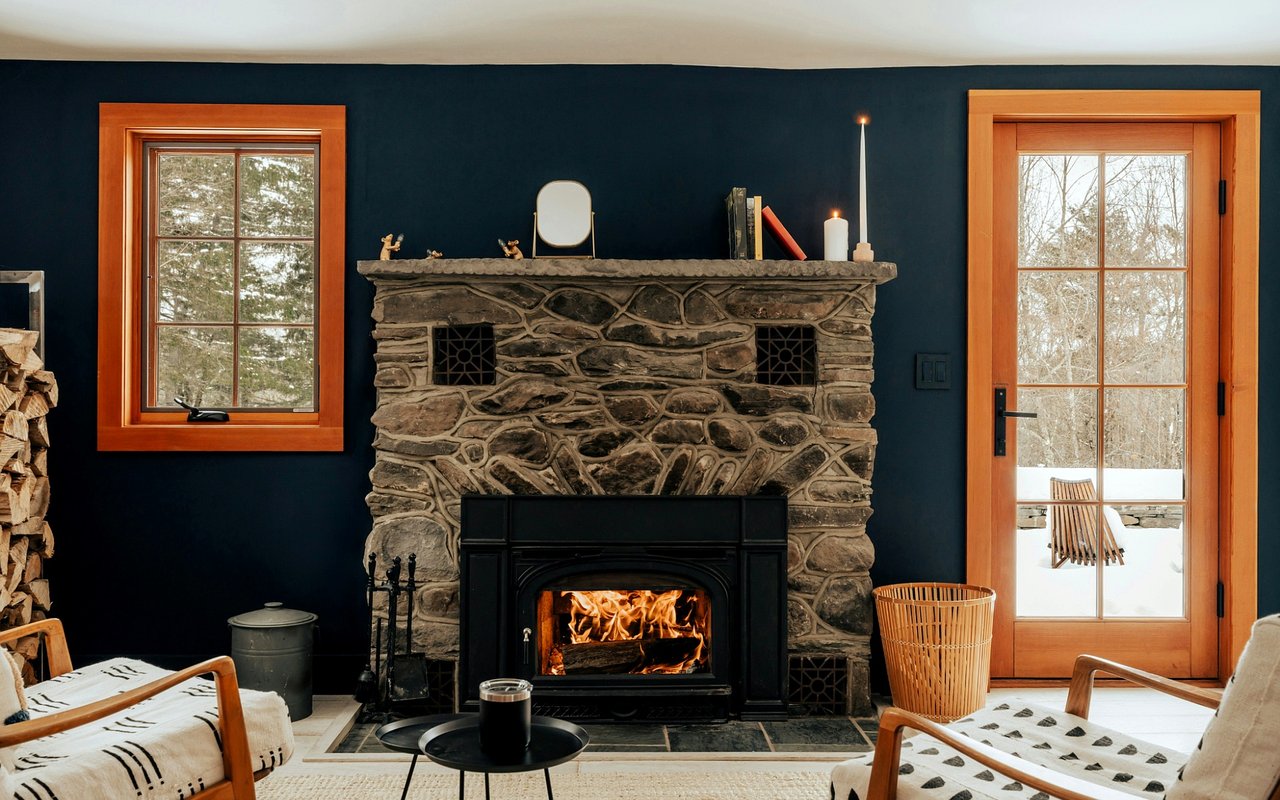
Stone surfaces—slate, bluestone, granite—work beautifully for fireplaces, flooring, or wet areas.
-
Textural surfaces like plaster, troweled lime, or subtly patterned wall finishes give character without visual clutter.
Finishes That Perform
-
Choose low-VOC paints and stains, especially in sealed or smaller spaces.
-
Opt for high-quality fabrics for upholstery—wool blends, leather, or performance fabrics that can handle wear.
-
For floors, favor hardwood, engineered wood, or stone over soft carpets, though rugs are still useful as accent pieces.
Color Strategy
-
Base neutrals: warm grays, muted earth tones, soft taupes
-
Accent colors: deep greens, alpine blues, terracotta, or warm rusts
-
Use accent materials—not just paint—for color, like stone backsplashes or fabric insets
The goal is an overarching sense of calm and harmony that allows art or furnishings to shine.
Furniture, Scale & Comfort
Furniture choices in mountain homes must balance scale, comfort, and utility.
-
Choose pieces with a strong presence but lightness—solid but not overbearing.
-
Group seating in conversational layouts that take advantage of views and heating sources such as a fireplace.
-
Prioritize comfort above all—plush sofas, deep chairs, and well-made upholstery.
-
Mix vintage or artisan pieces with contemporary ones for a layered, personal effect.
Storage, Utility & Seasonal Gear
Mountain living means skis, snowboards, boots, hiking packs, and winter gear. Your interior must make space for the life you lead.
-
Mudrooms with built-in cubbies, boot racks, and drying areas
-
Wall hooks, gear closets, and ski or bike storage zones
-
Clever under-stair or built-in storage
-
Hidden or integrated benches and cabinetry to reduce clutter
Texture, Layering & Sense of Warmth
Texture is your secret weapon in mountain design—it adds depth, richness, and helps interiors feel lived in.
-
Throw pillows, wool blankets, sheepskin rugs
-
Layer rugs over hardwood or stone floors
-
Natural fibers like linen, wool, and cotton for window coverings and bedding
-
Metal accents such as bronze, brass, or blackened steel in lighting and hardware
-
Organic elements like twigs, bark, or woven baskets
Curating textures thoughtfully ensures your spaces never feel flat.
Art, Collections & Personal Voice
Your home should tell your story. Bring in elements that resonate with you:
-
Local art or photography that celebrates the mountains
-
Sculptural pieces or curios you’ve collected
-
Handcrafted textiles, ceramics, or artisan objects
-
Display zones that highlight your favorite pieces without clutter
Art provides focal points for conversation and emotional connection.
Resilience, Comfort & Wellness Features
Resilience in a mountain environment is essential, and comfort features elevate your living experience.
-
Radiant floor heating in bathrooms, entryways, and tile zones
-
Smart thermostats and zoned HVAC systems
-
High-performance windows with thermal breaks and low-E glazing
-
Sound insulation in walls and ceilings
-
Humidity control systems to maintain indoor comfort
Wellness design means emphasizing clean air, natural light, and thermal comfort for a true retreat.
Seasonal Adaptability & Inside-Outside Flow
Mountain living changes dramatically with the seasons, so plan for flexibility.
-
Large sliding or folding glass doors to merge indoor and outdoor spaces
-
Covered patios with heating elements or fireplaces
-
Retractable shades or screens to manage sun and insects
-
Interior decor that can shift seasonally, like lightweight summer fabrics and cozy winter throws
Mistakes to Avoid in Vail Interiors
Be mindful of these common pitfalls:
-
Using trendy finishes that date quickly
-
Ignoring storage and gear needs
-
Choosing delicate fabrics that can’t handle wear
-
Overcrowding rooms and blocking views
-
Forgetting lighting design or using insufficient layers
-
Selecting materials that don’t perform well in altitude or dry air
Final Thoughts
Designing your Vail home interior is about intentional choices—balancing comfort, durability, and personal style. When done well, your space feels like an extension of the mountains: timeless, grounded, and full of warmth.
If you’re ready to find a Vail home that fits your design vision and lifestyle, reach out to Barbara Gardner. With her deep knowledge of the Vail Valley real estate market, she’ll help you discover a property that’s not only beautiful but ready to become your perfect mountain retreat.
If you’re ready to find a Vail home that fits your design vision and lifestyle, reach out to Barbara Gardner. With her deep knowledge of the Vail Valley real estate market, she’ll help you discover a property that’s not only beautiful but ready to become your perfect mountain retreat.